Warm evenings in Pasadena invite people outdoors the majority of the year. With the San Gabriel Mountains framing the skyline and a climate that leans dry, calm, and clear, an attentively developed outdoor fireplace or fire pit turns a great patio area into a real living-room. The trick is weding the love of flame with sound building and construction, code compliance, and products that can manage sun, soot, and the periodic Santa Ana wind. After years of structure patio areas and hardscapes across the San Gabriel Valley, I've learned that the most effective jobs in Pasadena start with the best site strategy, then put precision underfoot with interlocking pavers, and only then bring in the fire feature that fits the space.
What makes a Pasadena task different
Two elements shape outside fire jobs in Pasadena. First is the mosaic of microclimates and hillside lots. Many homes perch on slopes or consist of stepped backyards, that makes retaining walls, drainage, and soil stability more than an afterthought. Second is the city's relationship with fire security. Portions of Pasadena being in high fire risk intensity zones. That affects clearances, spark control, and sometimes fuel option. Throughout warning cautions, open wood burning can be limited, while gas systems with correct screens and shutoffs remain usable. A style that respects these truths, coupled with tidy paver work, keeps evenings comfortable and compliant.
The siting choice, from problems to views
Think about where the glow ought to fall. On flat lots in Bungalow Paradise or Madison Heights, we typically align a fire pit on axis with a back door and a focal tree, then turn seating outside to frame mountain views. On hillside homes north of the 210, dominating winds can press smoke toward windows, so we turn the pit 10 to 20 degrees and use low stone seating walls as subtle wind breaks. If a fireplace is the option, its mass can obstruct a less appealing view or roadway noise.
Clearances matter. I aim for a minimum of 10 feet from structures and home lines for open wood pits, and 6 feet for gas units with ember guards, unless the local plan checker requests for more. Overhead eaves and pergolas require cautious idea. Wood pergolas and open flames do not mix. For a gas fireplace under a pergola, I spec noncombustible lattices like aluminum or steel and keep the manufacturer's vertical clearances, often 8 to 10 feet to the burner. On slopes, the pad must be both level and anchored. That can suggest tying a masonry fireplace footing into a keeping wall system or stepping the patio with terraces that share loads rather than battling gravity.
Pavers that earn their keep
A fire feature exposes your outdoor patio surface to heat, soot, and foot traffic that lots into a tight circle. This is where product option pays off.
Interlocking pavers form the backbone of the majority of my Pasadena patios because they integrate versatility with strength. A polymeric sand joint allows micro movement without splitting, and when a spark leaves a scar, you can swap a single system. Brick pavers bring classic Pasadena appeal, specifically near Craftsman homes. Their color goes through the body, so chips are less noticeable. Concrete pavers, specifically textured or toppled units, provide value and harmony, and keep costs in check for big seating balconies. Natural stone pavers, from cleft quartzite to dense porphyry, look amazing in gardens with fully grown oaks or olives. They do heat up around the pit, but if you respect manufacturer limitations and do not park a roaring log directly on the slab, they hold up for decades.
When clients request the very best paver patio styles for Pasadena homes, I suggest beginning with architecture. For a 1920s Spanish, a tight, herringbone brick band around the pit then opening to a larger format concrete paver keeps the rhythm without getting fussy. For a midcentury in Linda Vista, linear plank pavers in a running bond read clean and let the fire function take center stage. Ridgeline Outdoor Living paver installation experts can feather textures, borders, and colors so the area feels designed, not decorated.
Fireplace or fire pit, and where a wall makes all the difference
A fireplace organizes the lawn. Its vertical presence offers you a possibility to integrate specific niche shelving, a mantle, or perhaps a television ranked for outside use. It obstructs wind and reflects heat forward, which is perfect for narrow patios behind townhomes or yards flanked by stucco walls. Wood fireplace systems often sit on concrete footings 24 to 36 inches deep in our soils, with a reinforced lintel covering the firebox and a chase tall adequate to draft well. A gas fireplace brings quicker starts and puts out steady heat with a tidy burn. If smoke is an issue under Pasadena's inversion layers, gas wins.
A fire pit welcomes discussion. It allows 360 degree seating and a more casual circle. On sloped websites, a semicircular seat wall behind the pit becomes a natural retaining wall tie-in. This is where retaining wall installation in Pasadena CA converges with ambiance. A retaining wall contractor in Pasadena who understands both drainage and seating ergonomics can step a creative block maintaining wall up the grade and turn it into tiered benching around the pit. Stone retaining walls experts in Pasadena LA frequently mix thin ledgestone veneers with capstones that function as seats, so the wall reads like it has constantly been there.
The base below, because patio areas fail from the bottom up
A fire function will expose any faster way. I deal with patio installation here the method I was taught by exacting mentors: subgrade, base, screed, location, compact, lock.
On numerous Pasadena lots, we begin by removing 6 to 8 inches of soil for pedestrian locations, 10 to 12 where cars might cross. On older properties with expansive clays, I like geotextile underlayment to separate native soil from the base. Squashed hardscaping guide rock base, frequently 3/4 inch minus, gets compacted in 2 inch lifts to 95 percent density. Slopes matter, even if imperceptible to the eye. I set patio areas to fall 1 to 2 percent far from your house, then present subtle crossfall so water does not race around the fire pit footings.
For interlocking pavers, a 1 inch bed linen layer of cleaned concrete sand screeds flat over the base. We put pavers tight to the pattern, cut borders with a wet saw, then compact with a plate and vibratory pad. Edge restraint pins every 12 to 16 inches, because heat growth around a fire circle will evaluate the edges. Polymeric joint sand locks whatever in, and I mist in two light passes, not one heavy flooding that can wash out the binder.

When a patio covers a fire pit, I like to thicken the base under the ring 2 extra inches and connect the pit's footing to it. Gas lines set in channel get 12 to 18 inches of cover with proper tracer wire. All this costs more in advance than an easy piece, however the first time a stimulate pops or a chair leg drags, you will be grateful for a system constructed for abuse.
Fuel options, BTUs, and the feel of the flame
Wood still has loyal fans. The crackle, the fragrance of skilled oak, the art of tending coals. If you go that route, strategy storage for a half cord on website, preferably raised on steel racks with airflow. Dry wood keeps smoke down and next-door neighbors happier. Consist of spark arrestors or cinder screens, especially if you have trees overhead or live near chaparral.
Gas uses predictability. With a properly tuned burner and media, you get consistent, controllable flame, less ash, and much easier cleanup over pavers. A typical property pit runs 60,000 to 120,000 BTUs. Go toward the greater end if your seating is more than 3 feet from the flame, or if you get cool canyon breezes in the nights. Underground gas lines need an allowed tap, shutoff within sight, and either an essential valve at the pit or a ranked remote ignition. If your house meter can not support the draw, a plumbing can run a bigger line from the primary. For propane, conceal a 20 pound cylinder in a vented cabinet or, better, set up a buried tank if local rules enable. Pasadena inspectors value cool work with labeled shutoffs. They can be exacting, however they are also reasonable when details are right.
Bringing pavers, walls, and flame together in a cohesive plan
A task that checks out as one piece generally shares a vocabulary. If your interlocking pavers have a charcoal soldier course border, echo that dark tone in the fireplace capstone or the steel of a log cradle. If the field paver is a light concrete unit with a subtle chamfer, choose a smoother stone veneer that does not combat the geometry. The same logic applies to retaining walls. A 20 inch high seat wall with a 2 inch bullnose cap is comfy for perching and, if developed by an experienced retaining wall contractor in Pasadena, will hide the drain weep holes and geogrid transitions easily. Where a full masonry wall is overkill, creative block retaining walls Pasadena homeowners use every day can be dressed with stucco or stone skins and still anchor the patio area visually.
Walkway setup matters just as much. This is where you shift from door to patio or from patio area to garden. Stone walkways that run slightly serpentine through plantings press smoke away from doors, then open to a fire circle where joints broaden a hair to accept polymeric sand with finer aggregate. We frequently borrow from Ridgeling outdoor living garden pathway ideas, such as staggered paver-stepping stone hybrids with low thyme in between joints in non-fire zones, then switch to tight joints inside the real fire seating location. That keeps cinders from finding soil pockets.
Safety, greenery, and those Santa Ana days
Pasadena landscaping is lush by design, but keep a range between flame and foliage. I like a 5 foot noncombustible buffer around pits and 3 feet around fireplaces, appeared in pavers, gravel, or decayed granite. Prevent resinous shrubs like rosemary right at the edge. Better to plant succulents, salvias, or ornamental grasses in lower-risk rings further out. For umbrellas, choose weighted bases and keep the canopy high and well outside the heat plume. On red flag days, avoid the wood fire entirely, or use a gas fireplace with tempered glass wind screens and coal guards. If you host frequently, tuck a metal ash bucket with a lid under a bench and devote a sand-filled tray for emergency dousing. These simple habits prevent drama.
The anatomy of a clean set up: a brief field checklist
- Confirm regional setbacks, fuel restrictions, and whether you remain in a high fire risk severity zone before design. Map gas or electrical routes early, with shutoff places and trench depths on plan. Engineer footings for fireplaces and any wall over 3 to 4 feet or on slope, and detail drainage. Build the paver base properly, with compaction screening on larger projects and specified edge restraint. Test fire the burner or draft before last veneer and sealants so gain access to remains easy.
An example from the field: a compact lawn with big expectations
A couple in Upper Hastings Cattle ranch desired a location to collect with neighbors but only had a 22 by 28 foot yard. The back door opened to a worn out concrete pad that sloped toward your home. Their dream list: a gas fire pit with real heat, area for six, and an outdoor kitchen area strong enough for weekend grilling.
We begun by demoing the slab and dropping the subgrade 10 inches to create a proper base. Because the soil tested at moderate plasticity, we set up geotextile and 6 inches of crushed base, compressed in lifts. A linear plank concrete paver in 2 grays formed the field, with a 6 inch charcoal border to frame the circle. For the fire pit, a 48 inch diameter steel burner tray ranked at 110,000 BTUs offered a lot of flame for a 6 foot seating radius. We ran a 1 inch gas line to manage pressure drop and put the key valve in the pit's external ring for safe access.
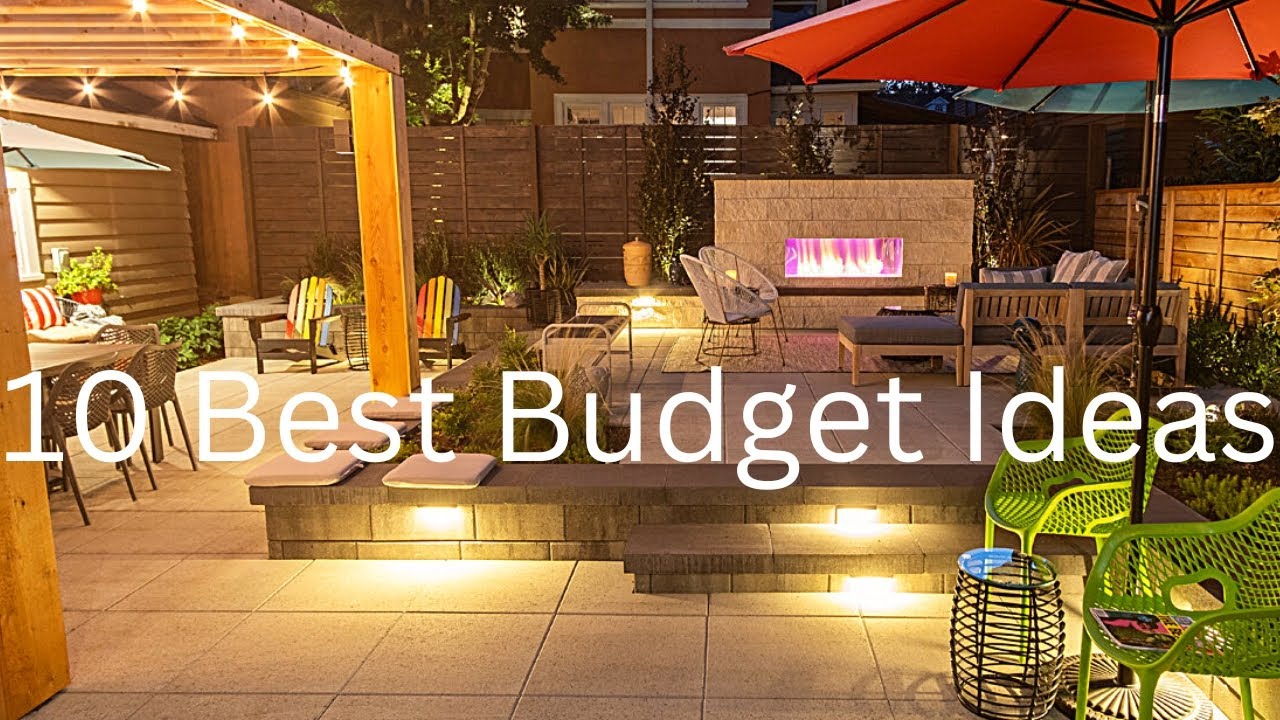
Against a fence that backed a small slope, we built a 24 inch high seat wall that functioned as a maintaining wall. A perforated drain line with cleanouts tucked behind, and the wall core entered the grade with geogrid layers at 16 inch intervals. The stone cap matched the paver border tone, so even with different products the eye read them as one set. The outside cooking area, set along the house wall under a steel pergola with a polycarbonate top, consisted of a 36 inch grill, side burner, and a small sink connected into a new drain. We avoided best garden landscapers Pasadena positioning any open flame under the cover, serving the cooking location with a devoted hood and keeping the fire pit in the open center of the yard.
From contract to stimulate, the job took 4 weeks, with one complete day booked for pressure testing and lighting the system under inspector supervision. The cost landed in the expected range for Pasadena: mid 5 figures, driven generally by gas trenching, wall engineering, and premium pavers. 2 years on, the paver surface area still looks crisp, and the property owners state they use the space 3 evenings a week in spring and fall.
Cost varies you can prepare around
Numbers vary, but a few criteria assist. A well developed paver outdoor patio in Pasadena, including excavation, base, and basic interlocking pavers, often runs 20 to 35 dollars per square foot for large, simple areas. Include borders, curves, actions, and intricate cuts, and it pushes towards 40 to 55. Natural stone pavers raise that to 45 to 80, depending on the stone and pattern complexity. A custom masonry gas fire pit with burner, crucial valve, and stone veneer tends to land in between 3,500 and 8,500. Prefab drop-in bowls on a paver base can be less. Masonry fireplaces, especially wood burning with correct flues and goes after, often sit in between 15,000 and 35,000 before elaborate stonework. Gas fireplaces vary extensively with ignition systems and finishes.
Retaining walls effect budgets. Basic block walls with stucco surface may price 45 to 65 dollars per face foot. Stone retaining walls with capstones and curves run greater. Add engineering for walls on slopes or over 4 feet tall, and you get design fees and inspections that add weeks but likewise assurance. None of these figures include pipes or electrical permits, which can vary from a couple of hundred to a few thousand, especially if a new gas meter or panel upgrade is needed. These are real considerations for any patio contractor or paver contractor preparing a truthful bid.
Maintenance that keeps the glow going
Pavers reward light, regular upkeep. Sweep weekly to keep grit from imitating sandpaper. Wash spills quickly, particularly grease near outside cooking areas or soot around fire functions. A penetrating sealer helps with stain resistance. I go for resealing every 2 to 3 years on concrete pavers, longer on thick natural stone. Efflorescence, the white haze that can appear after the first winter, reacts to specialized cleaners. Always test in a corner first.
For gas fire pits, pull the media as soon as a year and vacuum particles. Inspect the burner ports for spider webs or ash. For wood pits and fireplaces, inspect caps and screens every season. Keep ash in a metal bucket for a minimum of 2 days before disposal. If polymeric sand joints split near the fire ring from heat cycles, leading up when cool and mist lightly.
Walkways should have the same care. Light re-leveling of a paver or more after a heavy rain keeps stone walkways feeling safe. If you included Pasadena outdoor kitchen ideas to your strategy, such as a pizza oven or bar, treat those countertops with sealers rated for heat and citrus acids. That keeps lemon juice from etching while you blend beverages by the fire.
Choosing a builder who gets both flame and footing
Experience shows in the joints. Try to find a patio contractor who can speak fluently about slope, compaction, and base depths, not simply veneer choices. Ask to see prior jobs a year old. Pavers must still feel tight. Caps need to not have wobbled. For the fire function, a home builder must show gas line sizing computations and be candid about manufacturer clearances. When you talk to Ridgeline Outdoor Living paver installation experts or any skilled group, listen for how they incorporate trades. The very best jobs take place when the plumbing technician, mason, and paver lead sync early, so the gas stub lands precisely where the burner needs it and the paver pattern centers on the pit ring.
A thoughtful designer will also assist curate products. Brick pavers are stunning, but around a pizza oven they can reveal grease quicker than a textured concrete paver. Natural stone pavers remain cooler underfoot, but some flake under rapid heat modification if they are not the best grade. Great suggestions teases out those compromises before you buy.
A quick comparison to assist you choose what to build
- A fireplace focuses heat forward, blocks wind, and functions as a visual anchor. It costs more, requires a deeper footing, and might require engineering on slopes. A fire pit spreads out individuals out, welcomes discussion, and keeps budget plans leaner. It offers less wind defense and needs broader clearances. Wood wins on romance and cost of fuel but includes smoke and ash, and can be limited on warning days. Gas offers clean benefit, much better next-door neighbor relations, and precise control, while including facilities and permitting. Interlocking pavers provide repairability and strength at competitive cost, brick pavers bring heritage appeal, concrete pavers balance budget and variety, and natural stone pavers elevate with texture if appropriately sourced.
Where sidewalks and cooking areas finish the picture
A fire feature motivates individuals to stick around. Paths help them arrive gracefully. Mild curves, low lighting tucked into seat-wall caps, and small grade transitions that seem like landings rather than actions keep the flow natural. Usage walkway installation to connect area to function: a stone course that broadens near the fire becomes a place to set a lantern or a wood basket. If you are including cooking to the mix, think about Pasadena outdoor kitchen ideas that cluster preparation within a step or 2 of the fire, however keep grease and smoke away from the seating circle. A small bar height ledge behind the pit ends up being the favorite place to set mugs and plates.
The payoff of getting it right
Outdoor rooms make their keep when they are utilized often. That happens when a lawn feels safe, strong, and styled with restraint. Well laid interlocking pavers under an attentively put fireplace, or a basic brick ring set into a bigger patio area with a neat soldier course border, can include an entire season of living to a Pasadena home. If you deal with the unglamorous parts with the very same care as the finishes, the project remains stunning. Drain that works, retaining walls that do double task as seating, and pavers that shake off heat and heel scuffs let the flame be the star.
Whether you take on a compact 10 foot circle or a broad balcony with numerous levels, a collaborated strategy with a skilled paver contractor and a home builder who respects both codes and craft will bring that steady, welcome glow to your evenings. And when the first real chill of autumn hits, you will not be searching for blankets inside. You will be outside, feet on solid pavers, seeing triggers increase harmlessly into a dark Pasadena sky.
Business Name: Ridgeline Outdoor Living
Address: 845 E Walnut St, Pasadena, CA 91101, United States
Phone: (626) 469-5822
Ridgeline Outdoor Living
Ridgeline Outdoor Living is a Pasadena-based landscape design-build company serving Greater Los Angeles with custom outdoor living, hardscape, and drought-tolerant landscape solutions. The company specializes in patios, retaining walls, outdoor kitchens, drainage, hillside projects, and turnkey landscape construction, handling projects from design and permitting through final build and warranty.
845 E Walnut St, Pasadena, CA 91101, USA
Business Hours:
- Monday – Saturday: 8:00 AM – 6:00 PM
- Sunday: Closed
Follow Us: