A good patio does more than hold a table and chairs. In Pasadena, where evenings are soft and weekend early mornings plead for coffee under the oaks, an outdoor patio ends up being a shared space that happens to sit under open sky. When I plan patios for family usage, I start with circulation, convenience, and upkeep. Then I select interlocking pavers that match the architecture, handle our temperature swings, and stand up to kids, canines, and the periodic birthday celebration for 30.
Interlocking pavers fix a lot of issues for Pasadena house owners. They deliver the appearance of brick, concrete, or natural stone with excellent sturdiness and lower long term costs. If a spill stains one system, you do not require to replace a piece. You lift one paver, swap it out, and the patio area looks brand-new. Effectively installed, a paver system will bend with minor seismic movement, shed water, and remain even under heavy furnishings. That flexibility counts in Southern California, where little quakes and expansive soils both test hardscape.
Why interlocking pavers fit Pasadena
Between the San Gabriels and the Arroyo, our soils range from sandy loam to rocky alluvium. Clay pockets broaden and contract with moisture, and roots from mature camphor, magnolia, and deodar cedar push from listed below. A stiff piece tries to eliminate those forces. A segmented paver system reacts. The base rock and bedding sand disperse load, the pavers interlock, and the entire assembly can move a couple of millimeters without cracking.
A well constructed patio installation likewise handles water. Afternoon monsoons are unusual here, however when winter storms line up, you desire precise drainage. Interlocking pavers enable permeable or semi permeable joints. With polymeric sand, we can limit weed development while still providing a bit of breath to the system. For homes near the arroyo or on older streets without ideal grading, this is not a small advantage. Thoughtful patio areas decrease puddling at the back door and keep water far from foundations.
Heat management matters too. Concrete pavers with light pigments reflect more sun than dark, dense stone. Around swimming pools or play areas, I guide families to blends that stay cooler under bare feet. In shaded backyards under live oaks, darker tones are fine, and they conceal leaf tannin discolorations much better. UV steady colors and integral pigments, common in high quality concrete pavers, prevent the milky fade that gives inexpensive patio areas away.
The shape of a household friendly patio
Every family utilizes area differently. A couple who cooks outside 3 nights a week requires more counter and circulation around the grill. Moms and dads of toddlers need a smooth surface area for chalk illustrations, trikes, and a splash pad. Empty nesters may choose a peaceful corner with a stone bench and a fire bowl. The very best patio area design begins with a map of activities.
I like to develop zones without heavy visual barriers. A change of paver pattern, a subtle soldier course, or a low seat wall can define a dining area. An arc of stone or a single step can separate an outside kitchen from a play space without feeling choppy. If you host frequently, leave enough clear path for 2 people to stroll side by side while bring plates. On narrow lots, curving sidewalks open sightlines and make small yards feel wider.
Edge restraint is typically neglected. It does the undetectable work of holding pavers in place year after year. I use concrete or hidden paver edging tied into the base. For households with little kids, I round or ease all exposed edges. It is a small information that conserves skinned knees.

Best paver outdoor patio styles for Pasadena homes
Pasadena's housing stock varies from Craftsman bungalows to Spanish Revival, Mid Century modern-day, and contemporary infill. residential landscape contractors A patio needs to feel like it belongs, not like a brochure page set next to a historic façade.
Craftsman and cottage homes read best with brick pavers or concrete pavers that simulate brick dimensions. Herringbone or basketweave patterns echo the era. Differ the edge with a soldier course or a double sailor course in a darker tone. If you have clinker brick on the chimney or patio pillars, choose a paver with a somewhat tumbled finish so the patio does not look too crisp.
Spanish Revival houses lean into warm combinations. Natural stone pavers like limestone and travertine fit magnificently, however high-end concrete pavers in buff or terracotta tones can achieve a comparable feel with better resilience around pools. Running bond or a randomized ashlar pattern ties into the architecture without stealing attention from tilework and arches.
Mid Century homes accept bigger format concrete pavers in clean grids. Believe 18 by 18 or 24 by 24 systems, often with tight joints. If you have deep overhangs and steel windows, a charcoal or cool gray reads intentional and sharp. Separate airplanes with a single course of permeable joints or a gravel band to collect water and add texture.
Contemporary builds are the play ground for porcelain pavers, large concrete slabs with hidden joints, and combined products. A band of natural stone pavers set into a concrete field can soften the appearance while maintaining a very little profile.
Families who want the warmth of stone but the predictability of manufactured units often arrive on textured concrete pavers. They feature precise thickness, important spacers for even joints, and color blends that match local materials. Ridgeline Outdoor Living paver installation experts do a lot of this crossover work, pairing a hand cut stone border with a concrete paver field to capture the very best of both worlds.
Here is a quick product snapshot I share with customers who are narrowing choices.
- Brick pavers - timeless appearance, great with Craftsman and standard homes, moderate cost, can take in moisture so sealing aids with freeze resistance in mountain trips however not vital in Pasadena. Concrete pavers - largest style range, consistent thickness speeds setup, strong color technology, frequently the very best worth per square foot. Natural stone pavers - granite, limestone, bluestone, and travertine deliver unmatched depth and variation, higher product and labor cost, each lot is unique. Porcelain pavers - thin profile with high strength, low porosity, contemporary appearance, requires accurate base preparation and appropriate edge restraint. Reclaimed brick or stone - abundant character and sustainability story, sizing irregularities require knowledgeable installers and additional time.
Choosing a patio contractor without guesswork
An excellent patio contractor protects your spending plan and your nerves. The right group manages grading, drain, material logistics, and ended up details while keeping the website safe and tidy. Ask how they calculate base depth. In a lot of Pasadena backyards we excavate 7 to 10 inches for patio areas and 10 to 14 inches for driveways, then rebuild with compacted class II base in lifts. If a professional prepares to set pavers directly on native soil, relocation on.
Look for installers who talk about joint sand, edge restraint, and proper compaction with a plate tamper at various stages. If you become aware of bedding sand thicker than 1 to 1.5 inches, that is a warning. For interlocking pavers, ICPI training or comparable field experience helps, however results matter most. Ask to see 2 jobs a minimum of 2 years of ages, not simply current picture shoots.
Local knowledge counts. Pasadena has tree protection rules, watering backflow requirements, and varying gas line depths in older areas. A skilled paver contractor will collaborate examinations when required, pull authorizations for gas lines or retaining walls, and adjust designs to respect root zones without jeopardizing structure. If you are considering a bigger maintaining wall, verify that your retaining wall contractor in Pasadena has a plan for drain fabric, weep holes, and, for taller walls, engineering with geogrid.
Clients frequently ask about service warranty. Products normally bring a maker warranty, in some cases restricted to color consistency and structural stability. Workmanship guarantees differ by specialist. I like to see at least a one year labor guarantee that covers settlement beyond a mentioned tolerance. Ridgeline Outdoor Living, as a patio contractor concentrated on long life systems, will generally connect the warranty terms to base prep and drainage information kept in mind in the proposition. That positioning shows self-confidence in process, not just in materials.
How a quality patio installation really happens
The clean ended up pictures do disappoint the most fundamental parts of the task. The charm rests on a structure of actions we repeat, with adjustments for each property.
- Site research study and layout - Validate obstacles, watering zones, and utilities. Develop finished floor elevation at the door and set target slopes, normally 1 to 2 percent far from the house. Excavation and base preparation - Remove soil to the computed depth, representing base, bed linen sand, and paver thickness. Install class II base in 2 to 3 inch lifts, compacting each pass to 95 percent relative compaction. Edge restraint and drainage - Type and pin concrete or set up paver edge restraint. Integrate drain lines or channel drains where required. Include geotextile if soils are weak or if you desire a tidy separation from organics. Bedding and laying pavers - Screed 1 inch of cleaned concrete sand, never more than 1.5 inches. Lay pavers from a mix of pallets to mix color. Keep joints constant. Cut borders cleanly with a wet saw, use PPE, and dry fit before final set. Jointing and last compaction - Sweep in polymeric sand, vibrate with a plate compactor utilizing a protective mat, top up sand, activate with water per producer guidelines, then safeguard from traffic till cured.
Each step includes judgment. On tree rich lots in Linda Vista, we in some cases change subgrade depth near crucial roots and strengthen with a geogrid layer to minimize excavation. In San Rafael Hills, slopes require more attention to drain and frequently a little keeping wall or action to keep the outdoor patio level without a giant dig.
Retaining walls that form and protect
A flat patio on a sloped yard hardly ever takes place without a wall of some kind. That might be a 12 inch seat wall along the garden, or a 3 foot retaining wall holding a raised balcony. Stone retaining walls feel timeless in Pasadena, specifically beside Craftsman and Spanish Revival homes. I like a split dealt with stone cap that welcomes individuals to sit. For clean lined homes, imaginative block retaining walls in Pasadena finishes work well, especially with textured faces that break up mass.
Retaining wall setup in Pasadena CA brings real responsibilities. Anything over a specific height, frequently around 3 to 4 feet, will need engineering and an authorization. Heights differ by website conditions. I design walls with a drainage zone behind them covered in fabric to keep fines out. Weep holes or pipeline outlets let water escape. On seismic ground, geogrid layers strengthen the maintained soil. Without these information, a wall may look fine for a year and after that bulge after a wet winter.
If you are working near a property line, mind the setback rules and consider sight lines from your neighbor's windows. A retaining wall contractor in Pasadena who has actually developed on tight lots can recommend stepped balconies, plantable pockets, or stone hardscaping guide veneers that soften effect. I have actually seen stone retaining walls constructed by specialists in Pasadena LA that double as garden seating and limit without feeling like barriers. That is the sweet spot.
Walkway installation and garden paths that knit all of it together
A patio alone is an island. Include pathways and the whole residential or commercial property starts to stream. A stone walk flanked by rosemary and salvias pulls you from the back door to the yard. A narrow course by the garage ends up being a useful path instead of a dirt strip that gathers leaves. For families, smooth surface areas with gentle curves beat straight, skinny runs that feel like afterthoughts.
During walkway installation, I prefer the same interlocking pavers as the patio or a complementary stone size to tie spaces together. On heritage homes, brick pavers frequently lead the eye to a patio or a pergola. If you want softer lines, stone walkways with irregular flagging can feel relaxed, but they need mindful joint planning to prevent shaky stepping stones and heel catchers.
Lighting is important. Low path lights at 12 to 18 inches high, put outside the strolling line, keep glare down and safety up. Think about timers and warm color temperature levels. For a complete strategy, inquire about Ridgeling outdoor living garden pathway ideas that coordinate plant textures with paver tones so the course reads as part of the garden, not a road through it.
Outdoor cooking areas, fireplaces, and fire pits that invite people to linger
Families invest more time outside when the area supports daily rituals. A grill with a small counter gets utilized far more than an enormous kitchen area set far from the door. When developing Pasadena outdoor kitchen ideas, I map the triangle between the indoor fridge, the outdoor grill, and the table. Short ranges reduce forgotten condiments and dropped plates. Granite or porcelain counters withstand heat and sun. If you run gas to an integrated in grill or side burner, remember that new lines will need permits and pressure tests. Coordinate with the city early to prevent delays.
Fire functions extend the season. An outdoor fireplace creates a focal wall and a sense of room. In tight backyards, a low fire pit installation works much better due to the fact that you can see throughout it. Gas is clean and easy to light, with variable flame heights. Wood provides crackle and scent, but inspect local rules and your own tolerance for ash clean up. In locations hit by Santa Ana winds, gas with a safety shutoff gives comfort. Keep clearance from structures and plants, and pick pavers with a texture that tolerates cinder heat. I frequently include a little band of natural stone around wood fire pits, which deals with occasional triggers better than some concrete finishes.
Drainage, roots, and little things that make a huge difference
If I had to name one quiet hero in paver work, it would be slope. An even 1 to 2 percent pitch brings water away from your house without making chairs seem like they are tipping. Integrate that with well put channel or area drains pipes tied to a legal discharge, and your outdoor patio will stay dry underfoot. I check slopes with a laser or a long level and am not shy about micro grading the last inch to get it right.
Tree roots become part of Pasadena living. I secure significant roots, prevent deep cuts near trunks, and sometimes bridge root zones with a thicker base and geogrid instead of digging. For thirsty roots near brand-new patios, drip lines tucked at the patio area edge motivate growth where you want it and far from the surface.
At shifts from home to outdoor patio, a little threshold information counts. I keep at least 2 inches of step down from the house floor to the patio to keep water out during heavy rain. For older homes with low sills, that might drive a design that steps the outdoor patio down one or two times before reaching the lawn. It is a cleaner response than attempting to pitch water away without adequate drop.
Maintenance that keeps the patio young
Paver patio areas are not upkeep totally free, but the work is light. A yearly rinse, a gentle scrub in traffic lanes, and a top up of polymeric sand in joints when required typically suffice. If you seal, pick a breathable sealant appropriate to the paver type. Film formers can make some pavers slippery and can peel under UV if applied too thick. Penetrating sealers include stain resistance without shine. Around cooking areas, I like a penetrating sealer that wards off grease and wine.
Weeds show up primarily where joints have actually lost sand or where soil blows in and sits. A store vac and fresh polymeric sand fix the majority of that. Ants are unusual with proper compaction and tidy base rock. If oil or red wine stains a few systems, pull and change them. Keep a little stash of additional pavers in the side lawn for color match. Makers can change blends year to year.
What it actually costs and the length of time it takes
Budgets vary with access, demolition, material selection, base depth, and functions. In Pasadena, a basic interlocking paver patio without walls typically starts around the mid teens per square foot and varies up to the high twenties, often more with luxury natural stone pavers or complicated curves and inlays. Outdoor cooking areas, gas lines, and fire features add in the thousands depending upon scope. Retaining walls can be modest if listed below 2 feet, or can move into five figures when engineering, drainage, and tall heights are involved.
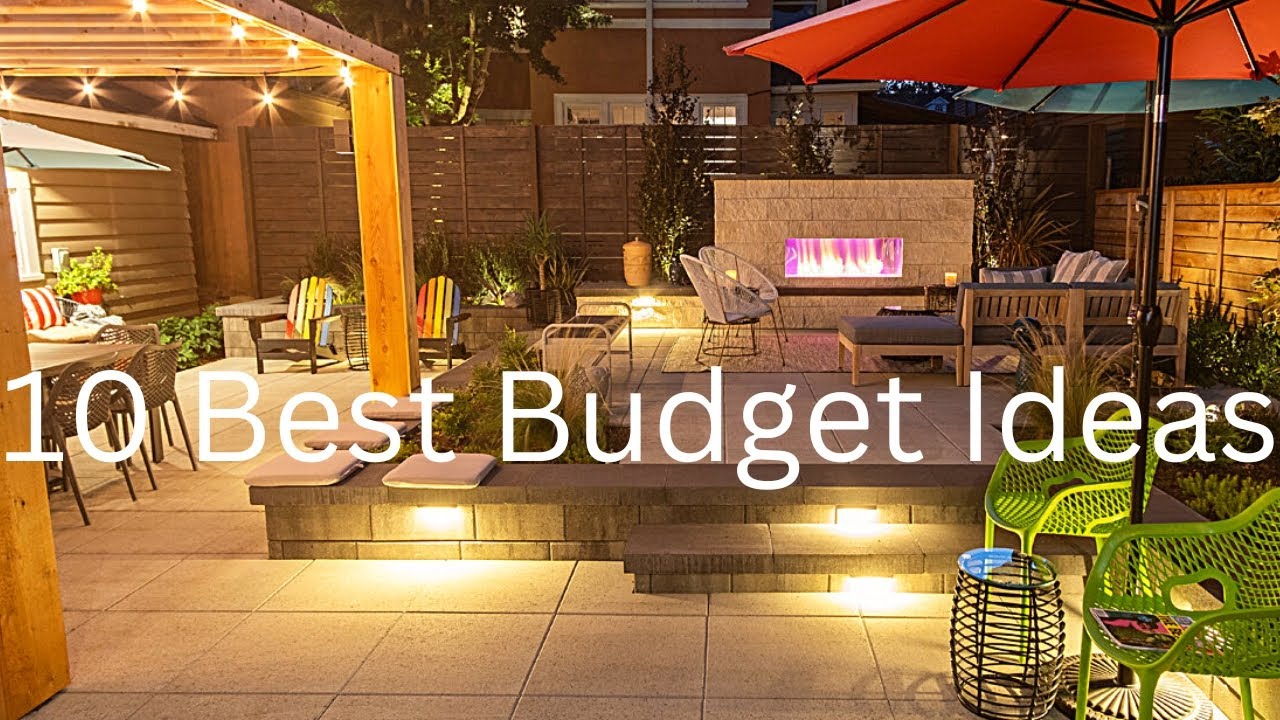
Timelines depend on crews and season. A small 300 square foot patio area with straightforward access might wrap in a week. Add demolition of an old piece, a 30 inch seat wall, and a built in grill, and you are closer to two to three weeks. Permitted gas lines or engineered retaining walls include review time. A great patio contractor will stage products early, secure your driveway from delivery van, and keep neighbors informed if street parking needs shift for a day.
Mistakes to avoid and choices worth making
Two errors sink patios before they start. Initially, underbuilding the base. If the subgrade is soft and the base thin, pavers will settle in tracks where chairs or grills sit. Demand compacted base in lifts, with the right thickness for your soil and usage. Second, ignoring drainage. Even a stunning patio becomes a problem if water runs towards your house or collects against a wall. Trust a style that cuts into a little slope or adds a discreet drain rather than hoping an almost flat patio area will behave.
On the favorable side, a couple of choices provide outsized advantages. A soldier or sailor course at the perimeter tightens the edge visually and mechanically. Color blends with a minimum of two tones conceal dust and leaf stains better than a single color. A basic border shift around the dining location acts like a carpet under the table. For families, a dedicated tube bib near the outdoor patio saves actions, and a dimmable lighting circuit changes the state of mind from homework to late night conversation.
Working with pros who know the ground you stroll on
Pasadena rewards restraint and care. An outdoor patio that appreciates the home's lines, manages water, and uses resilient materials will serve for decades. Whether you choose brick pavers to echo an Artisan deck, concrete pavers for a crisp modern-day grid, or natural stone pavers for a soft, lived in feel, the craft is in the base and the details you do not see. Groups like Ridgeline Outdoor Living bring that discipline to patio area design and setup, and it shows in outdoor patios that look level, drain easily, and feel excellent underfoot long after the trucks roll away.
If you require more than a patio area, a coordinated plan matters. Include a low wall to hold grade and to sit on. Tie in walkway installation so the side backyard is not an afterthought. If a slope begs for structure, generate stone retaining walls experts in Pasadena LA who can blend strength with appeal. If you barbecue, set a simple counter and a wind sheltered spot. If you crave a gathering place for cool nights, style the fire pit installation with safe clearances and seating that matches how your family really sits and talks.
The reward arrives the first night you bring plates outside without stepping around puddles, drop them on a level table, and sink into a chair while kids use a smooth surface that used to be irregular yard. A well created interlocking paver outdoor patio is not a high-end in Pasadena. It is a useful upgrade that makes daily life simpler and events richer, one trustworthy square foot at a time.
Business Name: Ridgeline Outdoor Living
Address: 845 E Walnut St, Pasadena, CA 91101, United States
Phone: (626) 469-5822
Ridgeline Outdoor Living
Ridgeline Outdoor Living is a Pasadena-based landscape design-build company serving Greater Los Angeles with custom outdoor living, hardscape, and drought-tolerant landscape solutions. The company specializes in patios, retaining walls, outdoor kitchens, drainage, hillside projects, and turnkey landscape construction, handling projects from design and permitting through final build and warranty.
845 E Walnut St, Pasadena, CA 91101, USA
Business Hours:
- Monday – Saturday: 8:00 AM – 6:00 PM
- Sunday: Closed
Follow Us: