Stroll any Pasadena block and you see the pattern. Fully grown jacarandas, Spanish tile roofings, stoops framed with brick, and garden courses that invite you in. A well built pathway does more than move feet, it sets the tone for the entire residential or commercial property. At Ridgeline Outdoor Living, we set up interlocking paver walkways that deal with Pasadena's clay soils, seasonal heat, and occasional downpours while matching the location's Craftsman and Spanish Revival architecture. The goal is basic, create a course that looks right on day one and still feels solid fifteen years later.
Why interlocking pavers fit Pasadena
Interlocking pavers stand out where poured concrete and loose gravel battle. Our local soils expand and agreement with moisture, and tree roots do not ask permission. A modular system with firmly restrained systems and versatile joints tolerates that motion. If anything shifts, a repair work usually means raising a couple of units, tuning the base, and setting the pavers back in place. You avoid the spiderweb fractures that make a monolithic piece appearance tired.
There is likewise the matter of design. Brick pavers balance with cottage steps and clinker brick details. Concrete pavers been available in contemporary formats that couple with mid century lines. Natural stone pavers, from limestone to porphyry, add old world depth around Spanish yards. Interlocking pavers let us dial in color, texture, and joint pattern to suit your house instead of forcing a one size fits all look.
How a long lasting paver walkway is built
Good sidewalks start under the surface. We read the site before we sketch patterns. In Pasadena, that implies inspecting clay material, existing watering, and where stormwater wants to take a trip in a downpour. The path ought to assist water off itself and away from the foundation, preferably towards landscape locations or a catchment feature. If a slope or keeping wall neighbors, we look at the entire system so forces do not work versus each other.
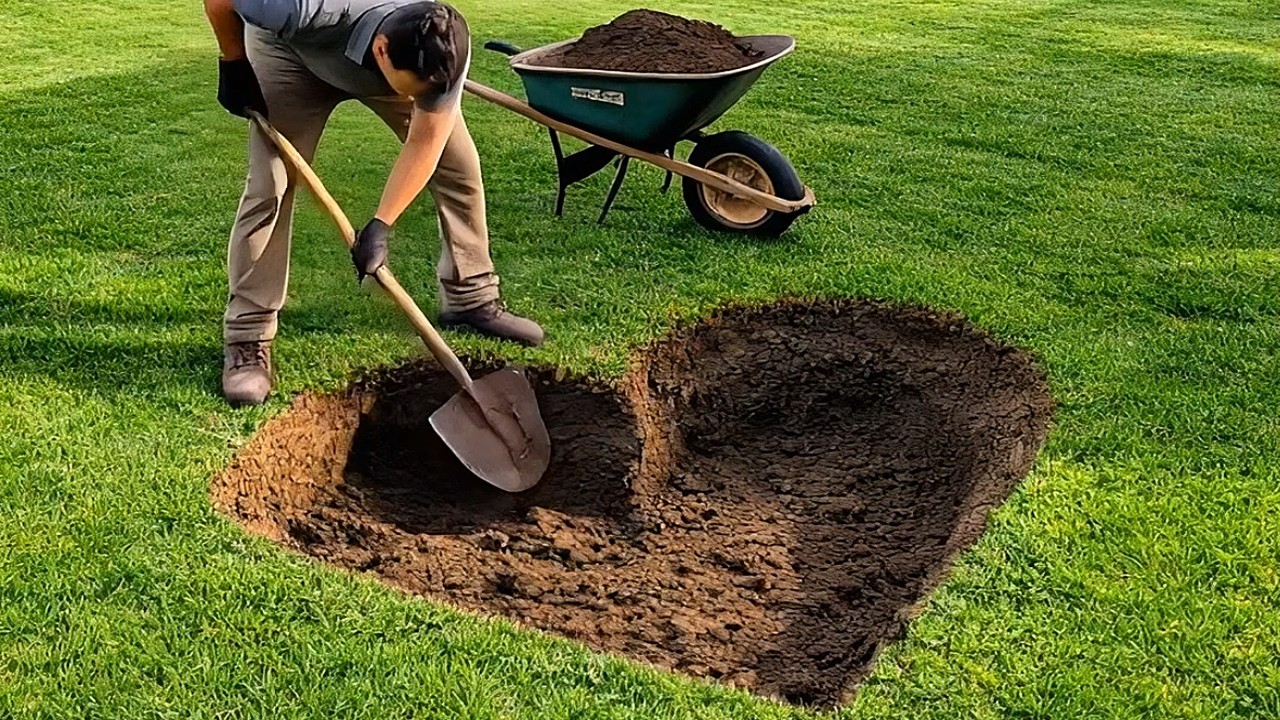
After layout and utility finds, excavation follows. We typically dig 7 to 10 inches listed below finished grade for pedestrian paths, more if we anticipate vehicle crossings or considerable root pressure. The subgrade gets compressed to rejection with a plate compactor, then evidence rolled to discover soft pockets. If the soil is extensive or holds water, we add a geo grid or a separation material to support the base and keep fines from migrating.
The base itself is a well graded crushed aggregate. Around here we often define 4 to 6 inches of Class 2 roadway base, positioned in 2 inch lifts and compacted to 95 percent relative compaction. On slopes, we bench the base to avoid sliding. Where drainage is vital, we might use an open graded base that works with permeable pavers, letting stormwater soak through into a gravel tank and exit via a drain or daylight.
Next comes bedding, a 1 inch layer of concrete sand screeded smooth. This isn't the location to shim dips or humps, it is a setting layer just. Once the interlocking pavers are positioned in the chosen pattern, we install stiff or versatile edge restraints anchored with spikes into the base. These edges are not design, they are structural. They avoid lateral creep and keep the interlock tight.
We sweep in joint sand and vibrate the pavers with a plate compactor fitted with a protective mat. The compaction seats the systems into the bedding and locks sand into the joints. Two or 3 passes with resanding in between is common. For many Pasadena paths, we end up with polymeric sand to minimize weed germination and joint washout. On permeable systems, we use the maker specified open graded joint aggregate instead.
Lighting, step shifts, and drain details cover the construct. We often integrate low voltage path lights or recessed paver lights so the pathway is safe without glare. Where the path meets a driveway or the city pathway, we taper grades efficiently and keep lips under a quarter inch to reduce trip hazards. If the sidewalk skirts a slope, a small swale or ornamental trench drain can quietly move water to planting.
Design relocations that check out Pasadena, not generic suburb
I like to stroll the front walk with customers, starting at the curb and ending at the door, and ask what the course must say. For an Artisan cottage on El Molino, a narrow reverse soldier course of brick pavers with a field of herringbone concrete pavers brought texture without fuss. For a Mediterranean revival near Arroyo, toppled natural stone pavers embeded in a running bond echoed the home's arches.
Scale matters. A common solo course width is 42 to 48 inches so 2 individuals can pass with a shoulder brush, and we widen to 60 inches near entries for a simple pause. Curves must have a reason, flexing around an olive tree or framing a low stone keeping wall, not meandering for the sake of it. Joints narrate too, a soldier course border can make a sidewalk feel ended up, while an irregular natural stone edge softens a garden path.
Planting completes the composition. Boxwood or dwarf myrtle hedges formalize. Native sages and penstemon provide motion and aroma while asking little of the tube. In the shade of a camphor or pine, decomposed granite bands together with a paver walk aid percolate water where roots live. We balance sun exposure with material color, lighter pavers keep bare feet cooler on summer season days and reduce heat buildup near south facing walls.
Material choices, with the trade offs that actually matter
Clients often ask which paver is best. There isn't a single response, just a good fit for your house, the budget, and the maintenance appetite.
- Brick pavers: Kiln fired clay holds color for decades and pairs naturally with Pasadena's historical material. Bricks use classic formats like herringbone and basketweave. They can be a little thinner than concrete units, so base preparation needs to be clean. Surface texture varies from wire cut to toppled, and the right one can include subtle grip without feeling rough. Concrete pavers: The workhorse. Offered in many sizes, textures, and integral colors. Modern big format rectangular shapes read crisp and contemporary. High quality concrete pavers resist fading well, however richer charcoal tones can reveal dust and efflorescence initially. Sealing assists on darker colors and smooth surfaces. Natural stone pavers: Limestone, porphyry, basalt, and quartzite elevate a course instantly. Color variation becomes part of their appeal. Stone costs more in product and labor due to the fact that each piece requests for attention. In shaded, wet pockets, some limestone can get slick, so finish choice matters. Stone rewards persistence with patina.
A fourth alternative, permeable interlocking pavers, crosses classifications. The systems look similar to basic pavers but are developed with open joints and sit on an open graded base. In our clay soils, we frequently pair permeable systems with underdrains to keep the reservoir from remaining filled after big storms. Where regional codes or a customer's sustainability goals point that instructions, permeable paving turns a sidewalk into a stormwater tool without sacrificing design.
Preparing your residential or commercial property before we arrive
Homeowners often ask what they can do to make installation smooth. The majority of it is simple and saves everybody time.
- Mark irrigation valves and sleeves, and share any as built drawings you have. We protect or reroute lines with less uncertainty when we understand where they are. Identify shipment space for pallets and base materials. A clear, level area of driveway or street parking shortens wheelbarrow runs and keeps the website tidy. Confirm path lighting and power places ahead of time. We can lay conduit or sleeves under the course during base work so you prevent saw cuts later. Discuss tree roots you want safeguarded. We can change positioning, switch to permeable base near critical root zones, or add aeration panels. Settle HOA or historical district approvals early. We offer samples and spec sheets for submittals, however approvals can take a few weeks.
What a common Ridgeline walkway job costs and how long it takes
Every property is different, but ranges aid with planning. For an uncomplicated front walkway with quality concrete pavers, edging, and website lighting runs, we often see overalls in between 45 and 80 dollars per square foot. Brick pavers land in a similar bracket, in some cases a touch greater for premium clay units. Natural stone pavers, depending upon types and format, can run 75 to 140 dollars per square foot. Permeable systems add 10 to 25 dollars per square foot for the open graded base and joint aggregates.
Complex conditions press costs. Hand excavation in tight backyards, several steps, curved cuts, drain tie ins, or tying into a brand-new maintaining wall increase labor. When a pathway is prepared together with patio installation, we can typically share mobilization and grading, which keeps the per square foot numbers down.
Timelines are foreseeable. A 250 square foot course water wise landscaping Pasadena without major walls usually takes 3 to 5 working days from demolition to last sweep. Add a day for lighting, another for complicated borders or inlays. If we are coordinating with a retaining wall contractor in Pasadena for a nearby wall, or developing the wall ourselves, we stage the work so the wall treatments or the base compacts before the course gets set.
Integrating steps, landings, and maintaining walls
Pasadena's topography doesn't constantly hand you a flat lawn. We routinely incorporate actions and brief walls so a sidewalk feels natural instead of bolted on. Concrete paver step treads sit on strengthened concrete or a compressed base with riser blocks, with joints lined up to shed water. For stone retaining walls, our crews develop with proper geogrid reinforcement and weep systems so the wall holds back soil without pushing on the path. Creative block retaining walls can provide a clean, modular appearance and, with caps that match the pavers, the whole entry reads as one composition.
If you currently have a wall that needs help, retaining wall installation in Pasadena CA has its own code factors to consider. We create walls for drainage first, with perforated drains pipes set at the heel and gravel backfill covered in material. On taller runs, we engineer tie backs and, if required, speak with a soils report. It is more affordable to build the best wall as soon as than to jackhammer a bulge two winter seasons from now.
Accessibility and security without compromising style
Not every entry can be a straight shot at an ideal slope, however we go for comfort. Where space enables, a 1 to 2 percent cross slope and a gentle longitudinal grade keep water moving and feet delighted. Limits at the door must meet the pavers flush, or with a bevel if the door sits high. Textured pavers or stone surfaces under mature shade trees minimize slip, and we prevent tiny pieces at the edges of curves, which can loosen up over time.
Lighting is part function, part atmosphere. We like warm 2700 K LED fixtures with glare guards intended down the course. If you have young kids or older relatives, handrails on any step run over two risers provide confidence without altering the appearance. We install them into masonry or use posts set outside the paver field so the interlock stays undisturbed.
Maintenance that appreciates your weekend
Interlocking paver sidewalks are low upkeep if they start right. Anticipate to blow or sweep particles weekly during leaf season. A yearly rinse and a light resand of any thin joints keeps the system tight. If ants take a taste to a warm edge, we find reward, then fill up joints with polymeric sand. Oil or rust stains from watering can be raised with the right cleaner for the material. Sealing is optional on the majority of concrete pavers and natural stone. We do recommend sealers on darker concrete pavers in high traffic entries and on absorptive stones where irrigation overspray is inevitable. Intend on resealing every 3 to 5 years if you like that crisp, simply set up look.
The advantage over monolithic concrete ends up being clear over time. If a little section settles near a downspout, we raise those pavers, fix the base, and reset them in a couple of hours. No sawcuts, no color mismatched patches. That serviceability is why interlocking pavers continue to win in our climate.
Lessons from the field, with real Pasadena yards
One case sticks with me. A 1920s Craftsman near Orange Grove had a patchwork of split concrete hardscaping guide pads leading to the porch, all pitched towards the foundation. Throughout heavy rain, water discovered the basement. We proposed a brand-new brick and concrete paver course with a subtle crown centered on the walk and a discreet gravel trench along your house. The front planting bed got a shallow swale that carried water to a parkway rain garden. The house owner got a handsome course with a soldier course of brick pavers nodding to her original chimney, and the basement stayed dry through two huge storms.
Another job in Linda Vista included a steep side lawn that had deteriorated to bare dirt. We built a tiered set of landings with concrete paver treads and stone risers, connected into stone retaining walls with appropriate drain. The customer included low rosemary and dwarf olive, plus a few path lights. The family now utilizes that side gate daily rather than marching through the garage.
When a walkway is part of a larger outside plan
Many customers concern us for a course and wind up reassessing the entire front or back method. A brand-new sidewalk often sets well with patio area design by Ridgeline Outdoor Living. If you are thinking about a patio installation at the same time, we create shifts so patterns change gracefully and grades line up. For instance, a herringbone walk can satisfy a larger format concrete paver outdoor patio framed with the very same soldier course. The paver contractor and the maintaining wall crew coordinate heights so steps feel consistent underfoot.
Out back, a path can link to practical areas. We have incorporated pathways that curve to a compact outdoor kitchen area, then pivot to a fire pit installation tucked behind a low wall. Pasadena outdoor kitchen ideas lean toward resilient finishes that stay cool, with natural stone or light concrete counters and shaded cook stations. Add an outdoor fireplace on the far side of a patio area and the course ends up being an evening loop, a basic luxury that makes the yard feel larger.
Permits, inspections, and what the city cares about
Most sidewalk setups do not need a structure authorization if you are not excavating over energy easements, altering drainage in a way that impacts neighbors, or building high retaining walls. That said, Pasadena pays very close attention to stormwater. For larger projects, you may need to show that overflow is not increasing onto the street or adjacent lots. If we add or modify a driveway apron, the city will desire authorizations and evaluations. In historic districts, noticeable changes at the front of the residential or commercial property may require evaluation. We manage illustrations, details, and product samples for submittals when needed.

If your path crosses a root zone of a protected street tree, the city may need specific methods for excavation and base setup. We have set up permeable bases and structural soils in those cases, keeping the arborist and inspector satisfied while delivering a steady surface.
The Ridgeline difference, described plainly
A great deal of companies can put pavers in a straight line. The part that separates a clean, long lasting task from a beautiful picture on the first day is invisible when we leave. We invest time on subgrade preparation, compaction, and drain paths. We define the best aggregate gradations and geotextiles for Pasadena's soils rather than copying a brochure from a wetter environment. Our foremen deal with edge restraints as a structural system. We evidence roll base layers and proper soft spots before they become low areas. These are the habits that safeguard your investment.
We also guarantee our work. If a corner settles in the first year, we fix it. We arrange a 12 month look at bigger projects to stroll joints, edges, and drain with you. Since interlocking pavers are modular, service warranty work is determined in hours, not weeks of demolition. That confidence is why customers who employed us as Ridgeline Outdoor Living paver installation experts for a front course frequently call us back when they are all set for a patio contractor, a small courtyard, or a set of stone walkways to the garden.
Where style meets structure on your property
A sidewalk sits in between architecture and landscape. It deserves the same craft as a kitchen area or a bath remodel, because you see and feel it every day. Interlocking pavers make sense in Pasadena because they adjust, they age well, and they let us tune color and pattern to your home. Whether you lean toward the best paver patio styles for Pasadena homes and want a walk that ties into a new terrace, or you simply need a trustworthy course from gate to door, we bring the information that keep the surface area tight and the water moving.
If a retaining wall becomes part of the image, our team handles it with the very same rigor. As stone retaining walls experts in Pasadena LA, we match products, set correct drain, and coordinate heights so the whole entry feels intentional. If a smaller sized garden task is on the horizon, we share Ridgeling outdoor living garden pathway ideas that dovetail with your plant scheme and your maintenance habits.
A final note on materials. Brick pavers bring heritage. Concrete pavers bring versatility. Natural stone pavers bring depth. Interlocking pavers as a system bring strength. When they sit on a well built base with edges locked, joints filled, and water guided, they do their job quietly for many years. Which, on a hot summer season afternoon or a wet winter early morning, is what you want from the path that invites you home.
Business Name: Ridgeline Outdoor Living
Address: 845 E Walnut St, Pasadena, CA 91101, United States
Phone: (626) 469-5822
Ridgeline Outdoor Living
Ridgeline Outdoor Living is a Pasadena-based landscape design-build company serving Greater Los Angeles with custom outdoor living, hardscape, and drought-tolerant landscape solutions. The company specializes in patios, retaining walls, outdoor kitchens, drainage, hillside projects, and turnkey landscape construction, handling projects from design and permitting through final build and warranty.
845 E Walnut St, Pasadena, CA 91101, USA
Business Hours:
- Monday – Saturday: 8:00 AM – 6:00 PM
- Sunday: Closed
Follow Us: